
Coffee Shop Equipment Checklist: What You Actually Need to Open
There's the equipment you need, the equipment you'll want later, and the equipment salespeople will try to sell you on day one. This checklist keeps you focused on what matters first.
The supplier quotes are already piling up, and you haven't even found a lease yet. Everyone wants to sell you something — the biggest machine, the most future-proof refrigeration unit, a POS bundle you don't fully understand. What equipment is needed for a coffee shop, stripped of the upsell? That's what this checklist is for. See the full step-by-step opening checklist for everything beyond equipment; this article covers the gear itself.
TL;DR
-
Four categories are non-negotiable on day one: espresso machine, commercial grinder, refrigeration, and a POS/payment system.
-
Entry-level commercial espresso machines start around $3,000–$5,000 new; commercial burr grinders run $500–$1,500.12
-
Commercial undercounter refrigerators for milk storage typically cost $800–$2,500 new.3 <!-- TODO: verify "$20,000–$75,000 total cafe equipment budget" — sources.json status: unverified -->
-
Leasing an espresso machine preserves cash flow but costs more over time; buying used commercial equipment can cut cost significantly compared to buying new.
-
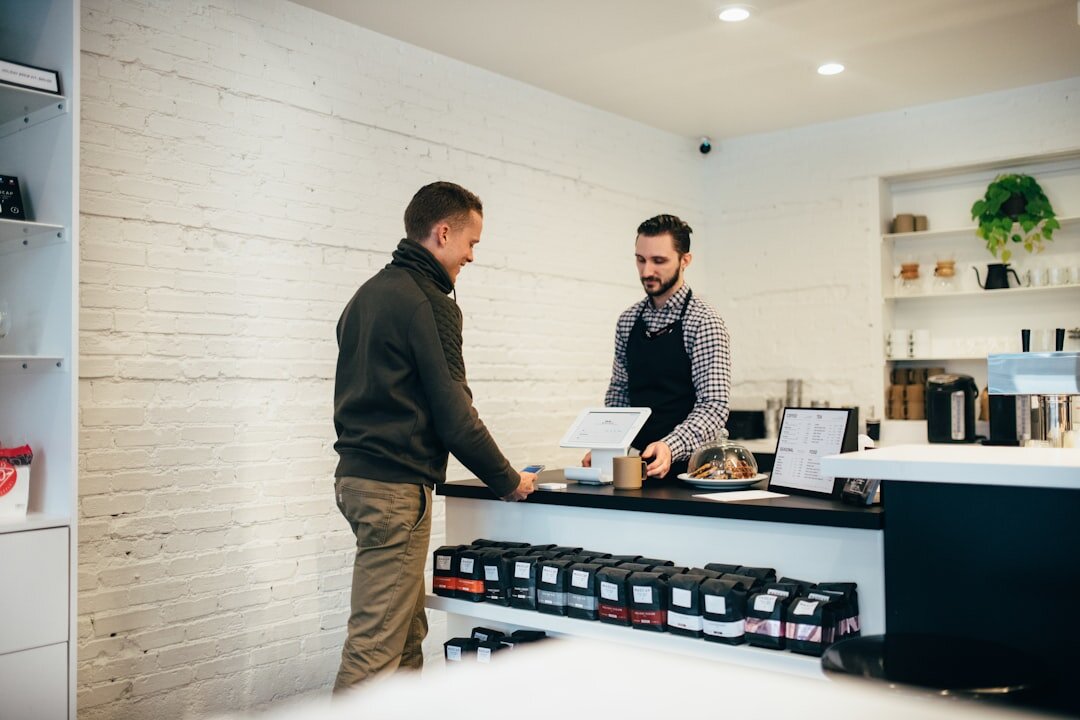
Square's in-person transaction fee is 2.6% + 15¢ per swipe — sort your POS before you open, because retrofitting loyalty and payments after launch is genuinely painful.4
-
The Priority Tier Table in Section 5 is a printable reference for what to buy first.
The Non-Negotiables: Day-1 Essential Equipment
No category below is optional. You can delay a batch brewer. You cannot delay the ability to make a coffee, store milk safely, and take a payment.
Espresso Machine
A commercial semi-automatic is the standard for most indie shops. Your home prosumer machine — even an expensive one — won't survive cafe volume. The group head (the part where the portafilter locks in) is designed for a certain number of shots per day, and a home unit tops out around 10–15. A commercial machine handles 100+.
Group head count is the first spec decision. One-group machines suit very low volume — under 50 drinks a day — which is fine for a kiosk or cart but will bottleneck most cafes. Two-group is the default for most openings. Three-group only if you're projecting genuinely high volume from day one; it's a big machine and a bigger cost.
Entry-level commercial machines start around $3,000–$5,000 new.1 Most serious 2-group semi-autos sit above that. Buying used from a reputable dealer is one of the strongest cost levers available — ask for service history and boiler age before committing. Leasing is common too, and manufacturer programs often include service. The monthly cost varies by machine and lender; treat it as a real ongoing expense and model it against your projected revenue before signing.
Commercial Burr Grinder
One grinder per group head. That's the rule. Opening with a single grinder on a 2-group machine is a bottleneck you'll feel on your first busy Saturday.
Flat burr grinders are preferred for espresso consistency; conical burr is acceptable for filter coffee. Dose-by-weight (gravimetric) models adjust dose automatically based on weight — they cost more, but they reduce waste and dial-in time. Worth the upgrade if your budget can stretch.
Never use a blade grinder for espresso. Uneven particle size destroys shot quality.
Entry-level commercial grinders start around $500–$800; mid-range models run $1,000–$1,500.2 As with machines, buying used commercial-grade beats buying new entry-level almost every time.
Refrigeration & Food Storage
At minimum: one undercounter refrigerator for milk, NSF-certified for commercial use. NSF/ANSI certification isn't a nice-to-have — most US health departments require it. A unit that looks fine but lacks the cert can fail your inspection.
If you're offering any food, you'll also need a back-of-house reach-in for bulk dairy and prep items. A display pastry case isn't a day-1 essential if your pastries are sourced fresh daily — that's a month-one decision.
Commercial undercounter units typically run $800–$2,500 new.3 Check your local health code before purchasing: the spec requirements vary by jurisdiction.
POS & Payment System
Cash-only is not a plan. It's a trust and revenue problem from day one.
The decision that matters most here isn't which POS you pick. It's whether it integrates with your loyalty program. Choose a POS, then choose a loyalty layer that works with it. Doing it the other way around, or skipping the question entirely and coming back to it after opening, costs you time you won't have.
Barista Tools & Smallwares
Small ticket. Completely forgotten. Guaranteed to cause opening-week chaos if you don't budget for it.
The essentials: a tamper matched to your portafilter basket (58mm is standard for most commercial machines), at least two milk frothing pitchers per barista on bar (12oz and 20oz), a knock box for spent espresso pucks, and a digital scale accurate to 0.1g for dialling in. Add a thermometer, shot glasses, bar mats, and drip tray liners.
Individually cheap. Collectively $300–$600, and often missing from first-draft budgets entirely. Budget for this category as a line item, or you'll find yourself paying retail at a restaurant supply store the week before you open.
Priority Tier Table
| Day-1 Essential | Month-1 Nice-to-Have | Phase-2 Upgrade |
|---|---|---|
| Espresso machine | Cold brew tower / keg setup | High-end gravimetric grinder |
| Commercial grinder (×group heads) | Batch brewer (drip) | Third-party water filtration system |
| Undercounter refrigerator (NSF) | Blender (iced/blended drinks) | Display pastry case |
| POS + payment terminal | Pour-over station | Security camera system |
| Barista hand tools + scale | Food equipment (toaster, microwave) | Furniture / patio fit-out |
| Cleaning & sanitising supplies | Merchandise display | Second POS terminal |
| Disposables (cups, lids, sleeves) | Basic inline water filtration | Espresso machine upgrade |
Two things worth saying about this table. First, it assumes a focused espresso-bar model — if food is core to your concept, the Month-1 column shifts left. Second, "nice-to-have" doesn't mean "never." It means don't let it block opening day.
Cleaning & Disposables: The Categories People Under-Budget
Cleaning supplies and disposables are the two most reliably forgotten budget lines for first-time owners. Neither feels glamorous. Both will ruin your week if you're short.
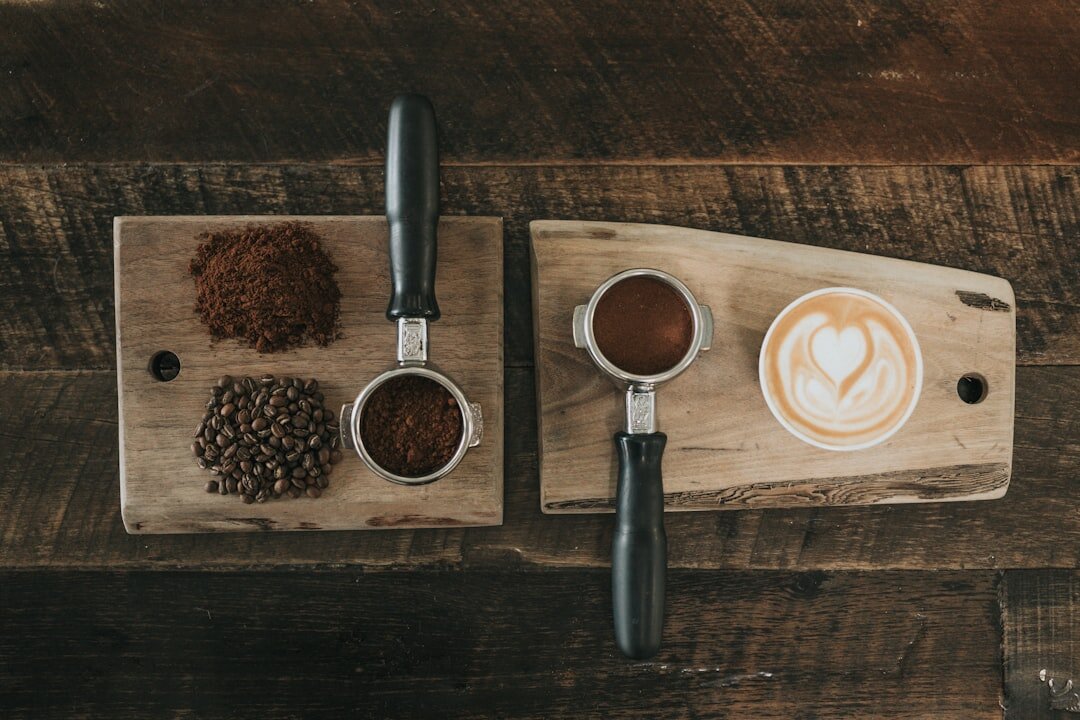
Cleaning: espresso machine backflush detergent (Cafiza is the industry standard), group head brushes, milk line cleaner, grinder cleaning tablets, and sanitiser spray. Health inspectors check for a sanitising station — have it set up before your soft open, not the day of.
Disposables: cups in 8oz, 12oz, and 16oz; lids; sleeves; stirrers; compostable straws where required by local ordinance; napkins; to-go bags if you're selling pastries. These are recurring monthly costs, not one-time equipment purchases. The common mistake is buying small quantities to start. Bulk pricing at case quantities is meaningfully better — do the math before your first order.
Lease vs. Buy: A Simple Decision Framework
No single answer fits every situation. Here's how to think about it.
Lease when cash is tight, you want service included in the monthly cost, or you're genuinely uncertain about your volume. Manufacturer lease programs for espresso machines often cover maintenance, which removes one variable from your first year.
Buy new when you have the capital, plan to operate from the same location for three or more years, and want to own the asset outright.
Buy used is usually the best ROI path for indie owners. You can find well-serviced commercial machines and grinders at a significant discount versus new. What to check: boiler condition and age on the machine, group head gaskets, burr wear on the grinder, and compressor condition on refrigeration units. Get a service history. If the seller can't provide one, factor that into your offer or walk.
For POS hardware specifically: most modern systems (Square, Toast) are designed around a hardware-subscription or hardware-included model anyway. Don't buy if the vendor offers hardware-included plans — it just adds capital cost you don't need.
What to Buy First: 6 Steps
- Lock your menu scope. Espresso-only vs. full brew bar vs. food-forward changes the entire equipment list. Don't spec equipment until you know what you're serving.
- Get espresso machine and grinder quotes as a bundle. Dealers often discount when bought together. Treat them as one line item in your budget.
- Confirm health code requirements for refrigeration before purchasing. NSF/ANSI certification requirements vary by state and municipality. Call your local health department if in doubt — better than buying the wrong unit.
- Choose your POS before anything with software dependencies. Your loyalty program, reporting, and tip-handling all flow from this decision. Make it early.
- Buy or lease your machine and grinder. This is your revenue engine. The wrong choice on category 1 costs you every day you're open.
- Fill the rest from the Day-1 column of the Priority Tier Table above. Everything else waits until month one.
One Thing to Sort Before You Open
Once the equipment list is done, the next challenge is getting people back through the door. That part — building the habit of returning — is harder to retrofit than any piece of hardware.
BaristaCard runs as a zero-hardware loyalty layer on top of your existing POS. Customers collect stamps via QR code; you don't need a separate device or a stack of paper punch cards. It's worth setting up when you're configuring your POS, not six months after opening when you're already stretched.
Sources
- Commercial Espresso Machines — WebstaurantStore. Product listing page, sorted by price. Gaggia RUBY Pro Automatic Espresso Machine listed at $3,069.00; Astoria AL/2 Dual Wand Steam Machine at $3,100.00 (coffeeam.com). https://www.webstaurantstore.com/search/espresso-machine.html ↩
- Commercial Espresso Grinders — WebstaurantStore. Product listing page. Estella Caffe ECEG26 Espresso Grinder at $549.00; Astra MG053 Automatic Espresso Grinder at $1,439.90. https://www.webstaurantstore.com/search/espresso-grinder.html ↩
- Commercial Undercounter Refrigerators — WebstaurantStore. Product listing page. SS-UC-27R-HC listed at $1,119.00 (Plus Member Price); True TUC-24-HC at $2,524.28. https://www.webstaurantstore.com/search/undercounter-refrigerator.html ↩
- Payments Pricing — Square Developer Documentation. Card present / United States: 2.6% + 15¢ per transaction. https://developer.squareup.com/docs/payments-pricing ↩
- ↩
Commentaires (0)
Se connecter pour laisser un commentaire.
Articles connexes


Prêt à fidéliser la clientèle de votre café ?
BaristaCard aide les cafés à fidéliser leurs clients grâce à des cartes de fidélité numériques, des récompenses et des statistiques en temps réel. Inscription gratuite.
